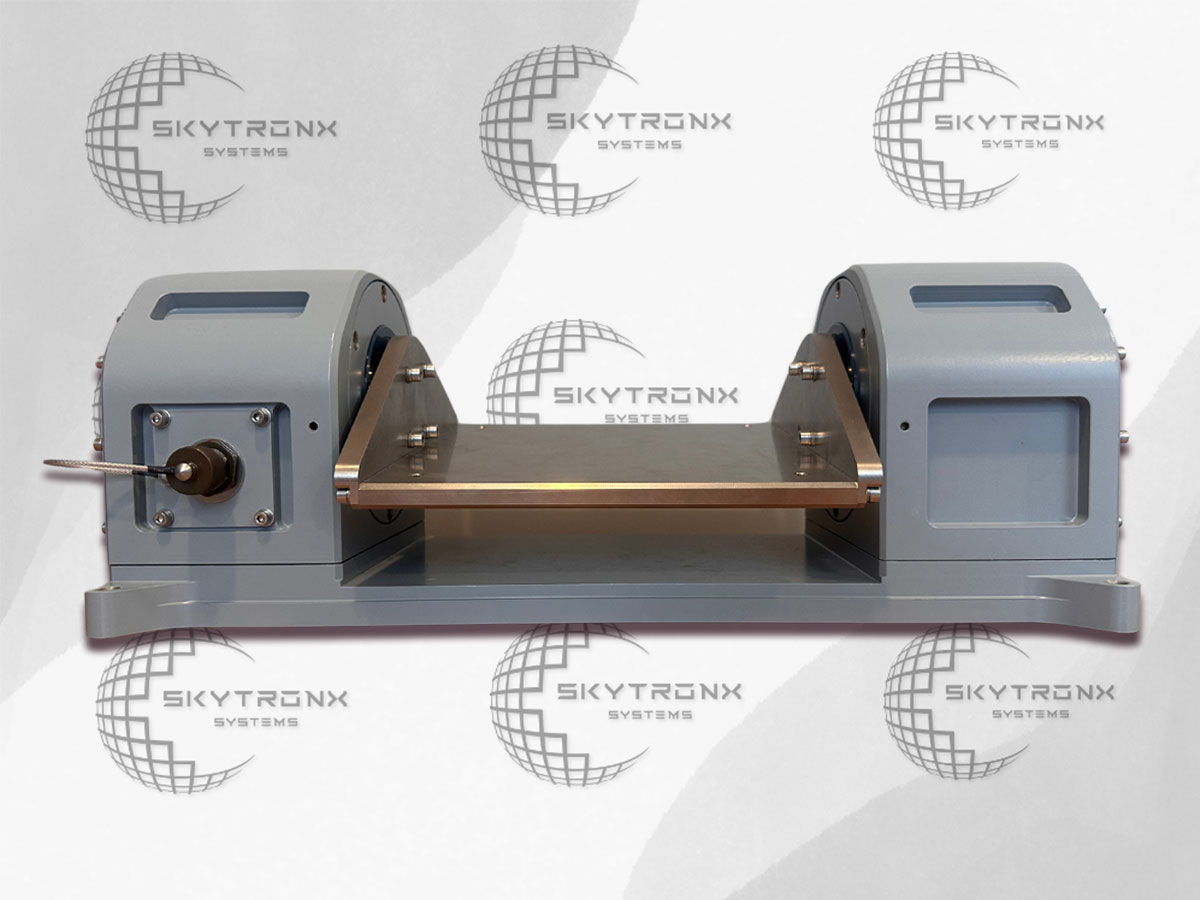
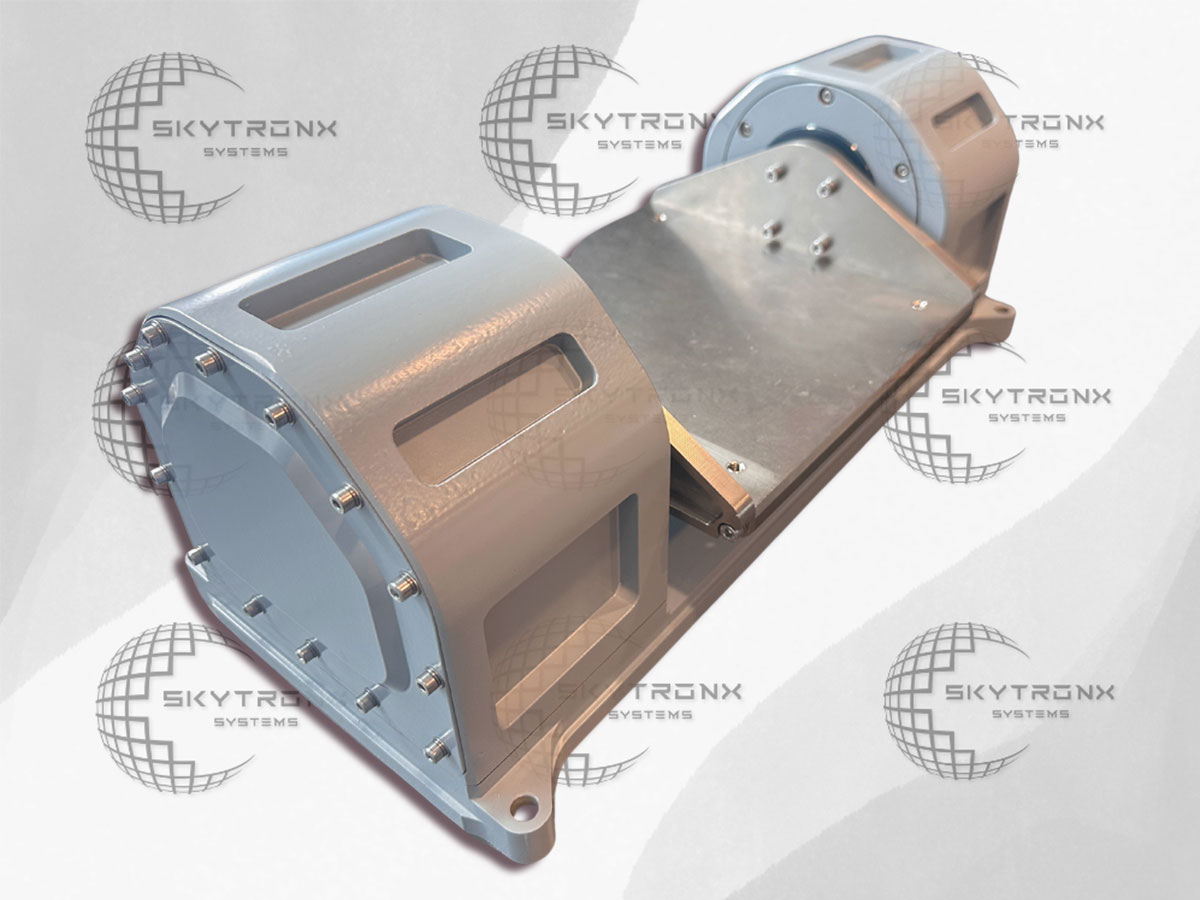
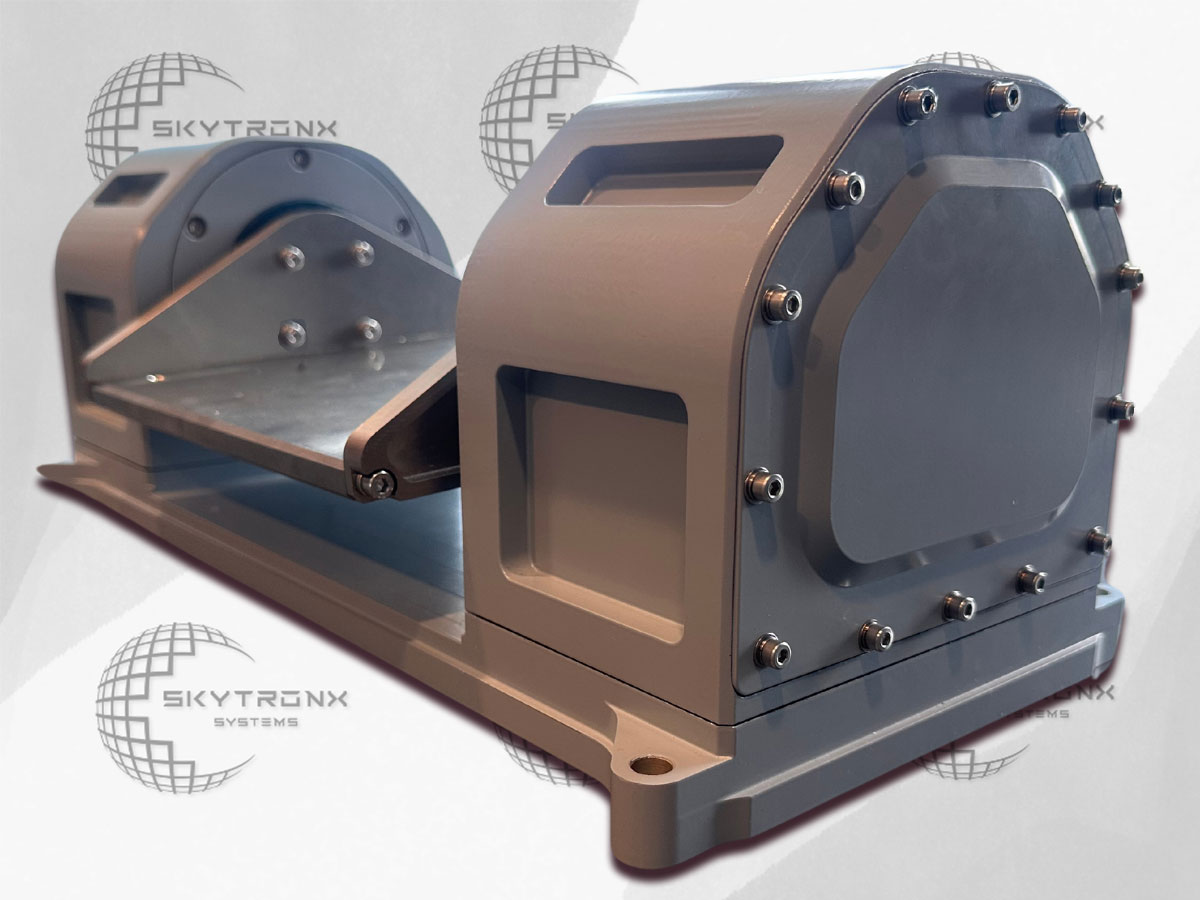
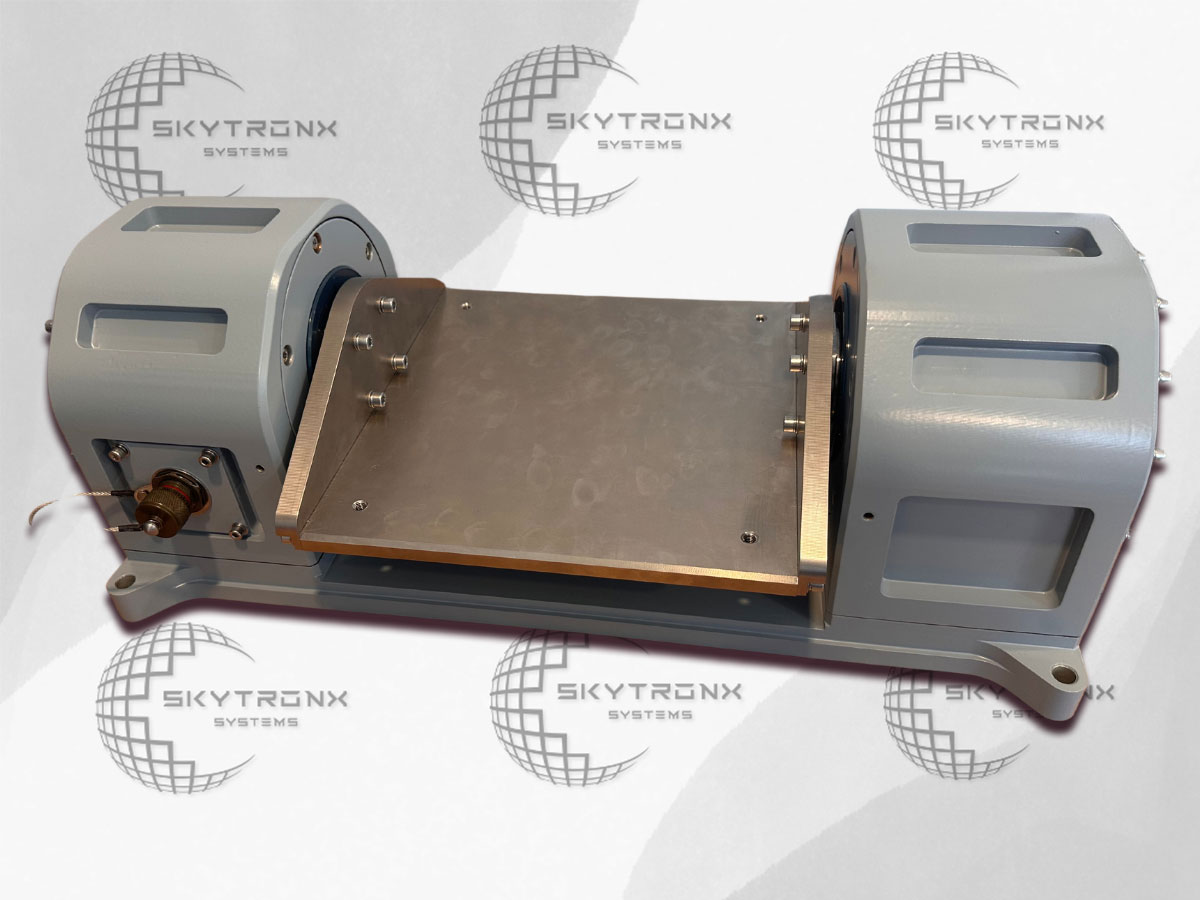
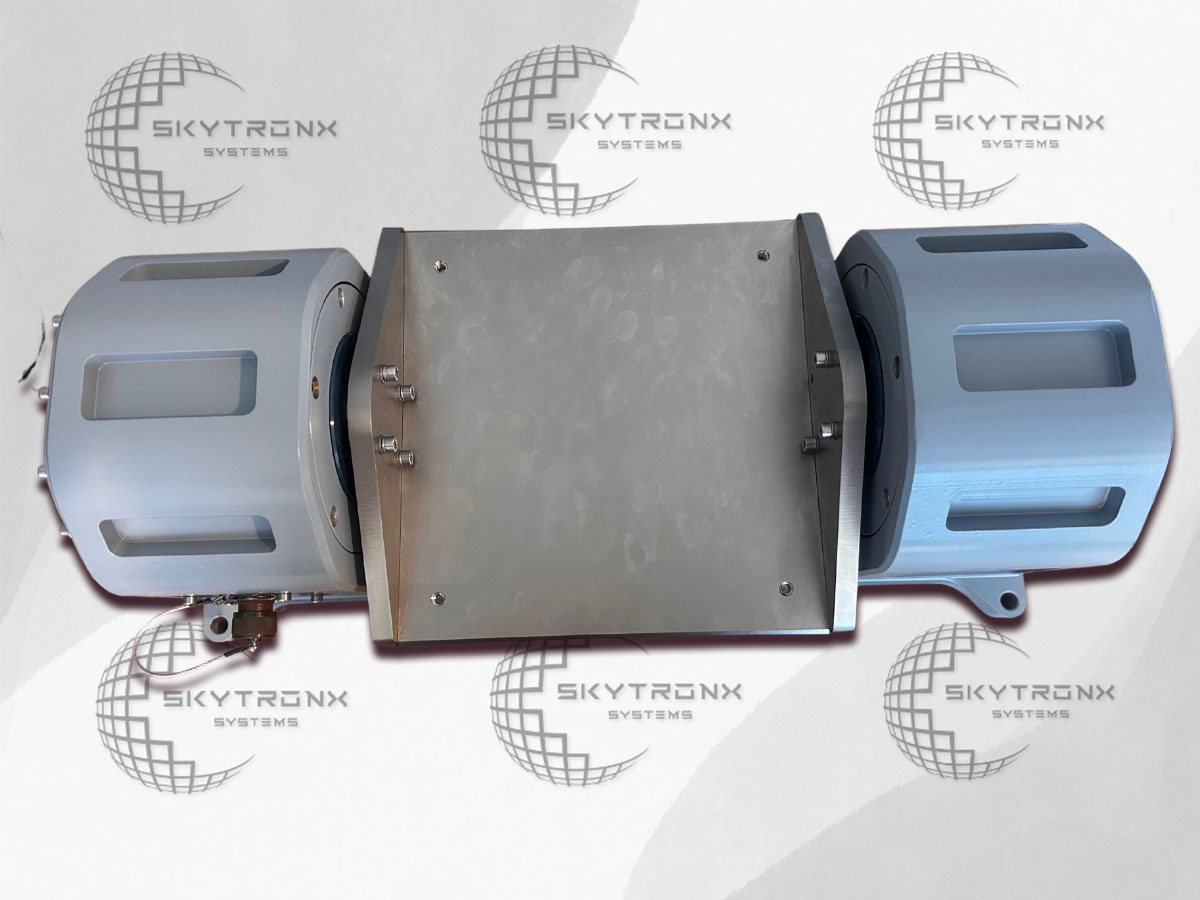
In military applications, tilt stabilization units serve similar stabilization purposes as those in civilian photography and videography but with additional ruggedness, durability, and often specialized features tailored to military needs. Here’s a brief overview of the characteristics and applications of tilt stabilization units in military contexts:
Rugged Construction:
Military-grade tilt stabilization units are built to withstand harsh environments, including extreme temperatures, moisture, dust, and vibrations. They are typically constructed from robust materials such as aluminum alloys or reinforced polymers.
Enhanced Stabilization:
Military operations often require capturing imagery from moving platforms such as armored vehicles, aircraft, or drones. Tilt stabilization units are crucial for stabilizing cameras or sensors mounted on these platforms, ensuring clear and steady footage even under dynamic and turbulent conditions.
Integration with Surveillance Systems:
Tilt stabilization units are integrated into various military surveillance systems, including unmanned aerial vehicles (UAVs), ground-based surveillance vehicles, and stationary surveillance posts. These units help maintain a stable view for reconnaissance, intelligence gathering, and target acquisition missions.
Long-range Targeting:
In military applications, tilt stabilization units are utilized in conjunction with long-range optical and electro-optical systems for precise targeting and observation. These systems often include high-powered cameras, thermal imaging sensors, and laser rangefinders, all of which require stable platforms for accurate operation.
Remote Operation:
Many military tilt stabilization units feature remote operation capabilities, allowing operators to control the camera’s tilt and orientation from a safe distance. This is particularly valuable in reconnaissance and surveillance missions where stealth and concealment are critical.
Compatibility with Weapon Systems :
Some tilt stabilization units are integrated into weapon systems, enabling stabilized aiming and firing of weapons mounted on moving platforms. These units help maintain target acquisition and engagement capabilities even when the platform is in motion.
Advanced Image Processing :
Military-grade tilt stabilization units often incorporate advanced image processing algorithms to enhance image quality, reduce motion blur, and compensate for environmental factors such as haze or fog.
Overall, tilt stabilization units play a vital role in enhancing situational awareness, targeting accuracy, and mission effectiveness across a wide range of military operations, from reconnaissance and surveillance to combat and peacekeeping missions.